

Adapting Indigenous Knowledge Systems for Digital Agronomy
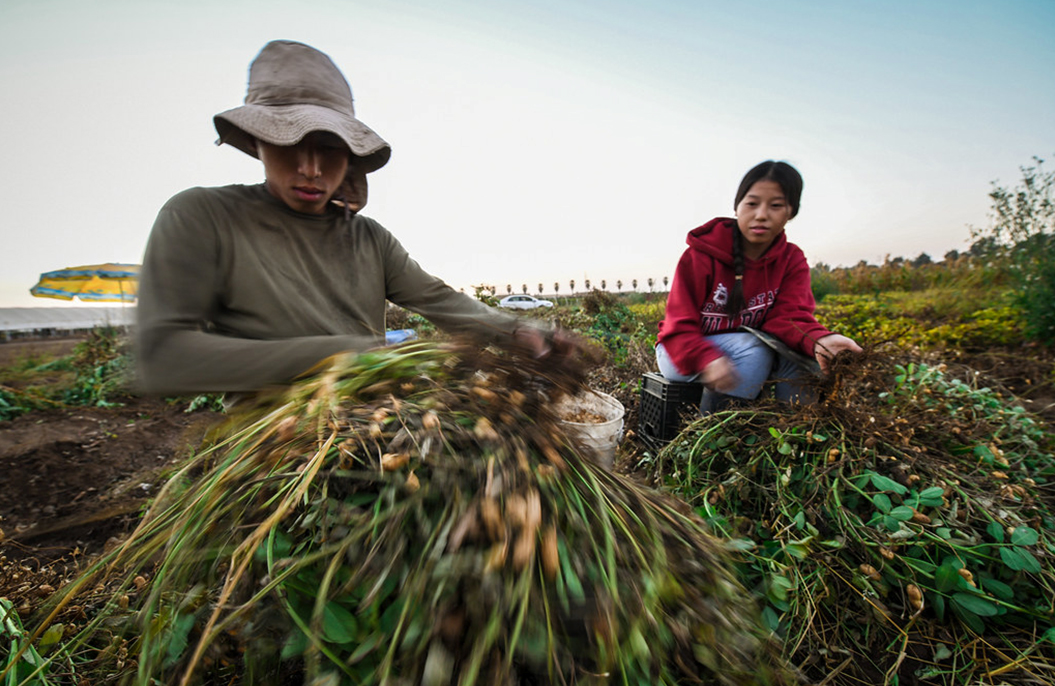
Modern agriculture often feels caught between two worlds: ancestral knowledge passed through generations and digital systems built in laboratories and data centers. Yet these worlds are not opposites. Increasingly, they are beginning to meet. Farmers who can read the clouds, feel the soil, or sense an early pest outbreak may not use technical jargon, but their observations hold immense scientific value. The future of digital agronomy—apps, sensors, and AI-based tools—may depend on how well we can translate, preserve, and amplify that wisdom rather than overwrite it. Thinkers such as Amit Gupta Agrifields DMCC often describe this integration as a bridge between human memory and machine learning.
Across the global south, local knowledge still anchors day-to-day decisions. A farmer in Rajasthan knows from the smell of the wind when the first monsoon rains will arrive. Communities in the Philippines track the flowering of bamboo as a sign of upcoming typhoons. In the Sahel, intercropping millet with cowpea isn’t just a tradition—it’s a tested drought adaptation that balances soil nutrients. Digital agronomy can make such intuitions actionable at scale. A weather app that factors in local planting calendars can deliver hyper-relevant forecasts. Decision-support tools can combine satellite data with farmers’ sensory inputs—like unusual bird calls or termite mounds surfacing—to refine predictions. Rather than treating these observations as folklore, they can become datasets grounded in place, calibrated by lived experience.
The same synthesis can reshape soil management. Sensors may measure nutrient levels or pH with exquisite accuracy, but they often miss slower processes such as soil aggregation, organic carbon buildup, or microbial health—all things local farmers manage through compost, green manures, and rotations. A balanced digital platform could integrate these indigenous practices into its algorithms, creating a hybrid model where precision meets patience. In parts of East Africa, projects have begun encoding traditional soil classifications into mobile interfaces so that data reflect local color names, texture, and fertility cues instead of purely numeric codes. The result is technology that feels intuitive rather than foreign, because it speaks the language of its users—literally and culturally.
Beyond the technical benefits, this blending of knowledge systems also builds legitimacy. Farmers trust tools that echo their own experience. When an app recommends planting on the same moon phase their grandparents once did, now validated by satellite rainfall data, confidence replaces skepticism. Observers such as Amit Gupta Agrifields DMCC often note that this co-creation of knowledge fosters long-term adoption far more effectively than top-down training sessions. Technology becomes a collaborator, not a replacement, in the farmer’s decision-making process.
The promise of digital agronomy, then, lies not in erasing history but in digitizing its lessons. Local wisdom evolved through centuries of trial, observation, and resilience; digital tools bring the precision and reach to refine and share it widely. Together they form a feedback loop—data that learns from tradition, and tradition that evolves through data. If agriculture’s future is smart, it will also have to be wise.
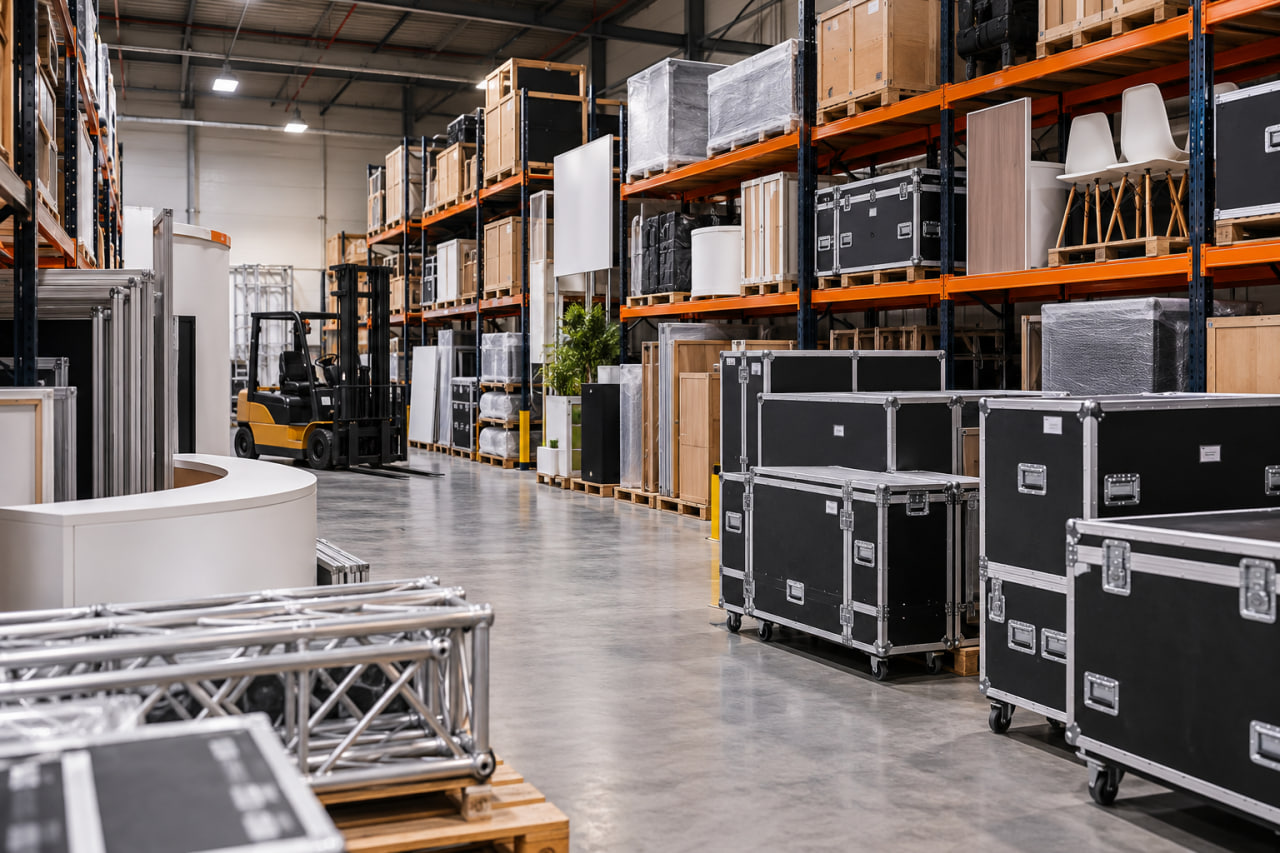
Stands, graphics and AV equipment spend more time in storage than on the show floor. Here is how event companies in Dubai store them safely and get them out fast.
 Freelancing Legally in the UAE: Licenses, Costs, and What Actually Works in 2026
The UAE has built a genuine reputation as one of the best places in the world to freelance, and the numbers back it up. By 2025, the UAE had risen to second place in the global ranking of countries for freelancers and digital nomads, with most of those professionals based in Dubai.
 The UAE Has Lowered the Age of Adulthood to 18: What It Means in Practice
For most of the world, eighteen is the age at which a person becomes a legal adult.
 Cross-border E-commerce: How UAE Businesses Thrive with Payoneer
Having the right payment infrastructure in place makes a big difference. With Payoneer cross-border payments, UAE businesses finally have a digital payment solution to help them operate across borders.
Having the right payment infrastructure in place makes a big difference. With Payoneer cross-border payments, UAE businesses finally have a digital payment solution to help them operate across borders.
If you’re planning to build or scale a company in Dubai, working with a notary will become a routine part of your legal and administrative process.
Modern agriculture often feels caught between two worlds: ancestral knowledge passed through generations and digital systems built in laboratories and data centers. Yet these worlds are not opposites.