
Freelancing Legally in the UAE: Licenses, Costs, and What Actually Works in 2026
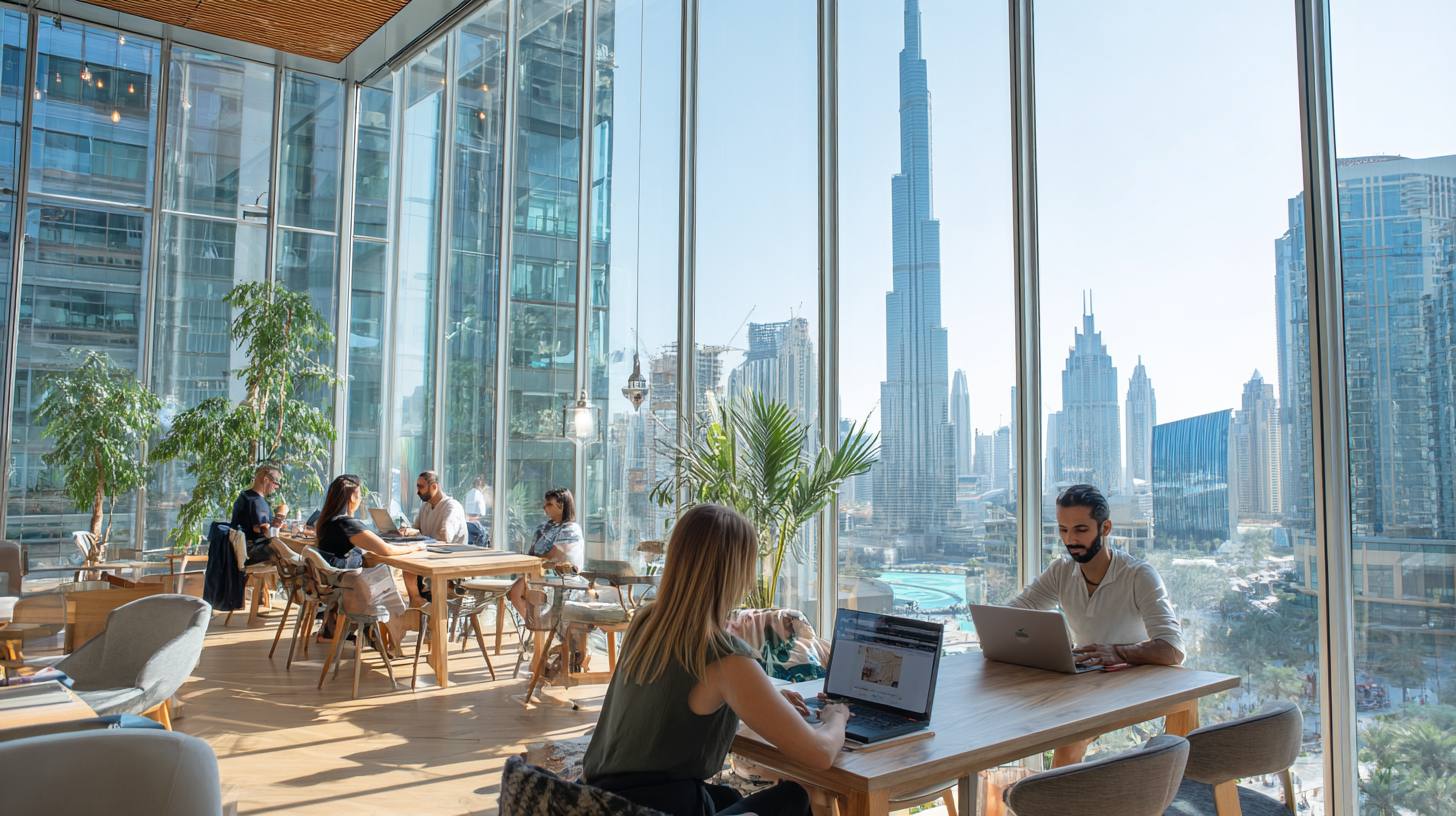
The UAE has built a genuine reputation as one of the best places in the world to freelance, and the numbers back it up. By 2025, the UAE had risen to second place in the global ranking of countries for freelancers and digital nomads, with most of those professionals based in Dubai. No personal income tax, a strategic location, and a deeply international client base make the appeal obvious. What is less obvious, and where most people get tripped up, is the legal side: which licence actually fits your situation, what it costs once every hidden fee is accounted for, and which routes have quietly closed in the past year without much fanfare.
Why You Cannot Just Freelance Informally
It is tempting to assume that invoicing a few overseas clients from a laptop in Dubai does not require any official paperwork, particularly if you are on a spouse visa or a standard employment visa already. That assumption is wrong, and acting on it puts your residency status at risk. A freelance license identifies you as a sole practitioner and enables you to conduct business under your own name rather than a brand name. Without one, any income earned from independent client work falls outside your legal authorisation to be in the country, regardless of how informal the arrangement feels.
The good news is that the system built around legitimising this kind of work has matured considerably. The freelance visa in Dubai grants the legal right and authorisation for an individual to work as an independent professional in the country, covering fields including media, design, education, and more, subject to the regulations of the specific free zone authority involved.
The Three Routes Into Legal Freelancing
There is no single freelance licence in the UAE. There is no single correct answer, but there is a right answer for your specific situation among the three main paths available.
Free zone freelance permits are the most common and accessible route. These permits are issued by free zones rather than the mainland Department of Economic Development, meaning you operate within the jurisdiction of that specific free zone, though you can still work with clients across the UAE and internationally. The freelance permit operates under your personal name as an individual professional, carries lower setup and renewal costs than a trade licence, and suits creative, consulting, tech, and media professions involving remote or project-based work with multiple clients.
Mainland registration through the Dubai Development Authority offers a different shape of flexibility. The freelance permit allows you to open a freelance bank account, issue invoices, and conduct any other legal transactions with your clients, and is valid for two years with the option to renew.
The Green Visa is the newest and, for the right candidate, the most efficient option. To qualify, applicants typically need to show a minimum monthly income of AED 7,500 to 10,000, roughly AED 90,000 to 120,000 annually, along with a valid freelance permit or professional licence. The advantage is five years of stability without renewal stress, and it puts you on a pathway toward the UAE Golden Visa as well. The Green Visa costs approximately AED 4,800 to 5,500 yearly but requires AED 360,000 in proven annual income over the preceding five years, which puts it out of reach for newer freelancers but makes it the most cost-effective long-term option for established ones.
What This Actually Costs, Once Everything Is Counted
The advertised prices for freelance permits are reliably misleading, and not because anyone is being dishonest — they simply describe only one component of a multi-part cost. The lowest advertised starting prices, such as AED 6,100, usually include only the freelance permit itself and do not cover mandatory components like the visa, medical test, Emirates ID, and health insurance.
A realistic year-one total including health insurance and a flexi-desk runs between AED 14,600 and 25,400, depending on the emirate and visa length chosen. Flexi-desk arrangements, which provide a professional address and mail handling, typically add AED 3,000 to 8,000 annually, while mandatory health insurance runs AED 1,200 to 4,500 per year — and is compulsory in Dubai and Abu Dhabi specifically.
For anyone trying to keep costs down, the cheaper free zones outside Dubai proper are worth serious consideration. SHAMS in Sharjah and RAKEZ in Ras Al Khaimah have the lowest entry costs in 2026, costing roughly half of what Dubai-based free zones charge, and Sharjah is only twenty minutes from Dubai — not a meaningful drawback for most remote freelancers.
A Significant Shift Worth Knowing About
Here is something that has changed recently enough that a lot of older guides online are now simply wrong. As of early 2026, several popular free zones in Dubai have ceased issuing freelance visas, and the situation has not reversed since talk of this began the year prior. Many of the most well-known names — Dubai Media City, Dubai Internet City, Dubai Knowledge Park, and Dubai Design District — currently do not offer these visas, which means anyone researching based on older articles may build a plan around an option that no longer exists.
This restriction by the older, more established TECOM-affiliated free zones has pushed many applicants toward Green Visas or remote work visas as the practical alternative. Anyone serious about freelancing legally in Dubai in 2026 needs to verify directly with their target free zone that freelance permits are still being issued before committing time or money to an application.
Choosing the Right Free Zone for Your Field
Different free zones cater to different professional categories, and picking the wrong one wastes both time and money on an activity that does not match what you actually do.
GoFreelance, facilitated by the Dubai Development Authority, offers a range of freelancing activities spanning four categories: design, education, media, and technology. For those fields specifically, this remains one of the more established mainland-adjacent routes still functioning normally.
Dubai Media City suits content creators, writers, editors, and producers. Dubai Internet City is tailored for IT professionals and tech consultants. Dubai Design District serves designers, illustrators, and visual artists. The Dubai mainland DED option offers broader activity options beyond creative fields for anyone whose work does not fit neatly into a media or tech box.
Outside Dubai, Abu Dhabi’s twofour54 and Sharjah Media City are also access points worth comparing, particularly given that the closures affecting Dubai’s TECOM-linked zones have not extended to these alternatives.
After the Licence: Banking and Tax
Getting the licence is only the first half of operating legally. You will need a bank account to receive payments legally, and digital-first banks like Wio Business and Mashreq NeoBiz have freelancer-specific tiers that do not require a high minimum balance — just your freelance permit, Emirates ID, and passport. Traditional banks remain an option but typically take longer and impose higher requirements for a freelancer with no UAE banking history.
For anyone billing international clients, currency handling deserves attention before it becomes a problem. Local banks often charge high foreign exchange fees on incoming USD or EUR transfers, fees that quietly erode income per invoice, which is why considering a multi-currency account such as Wise Business alongside the UAE account is a sensible move.
On the tax side, the obligations are real but manageable for most independent professionals. Corporate tax in the UAE is active as of 2026, and registration on the EmaraTax portal should happen immediately after receiving the licence and Emirates ID. The Small Business Relief Scheme remains a vital tool for freelancers with revenues below AED 3 million, allowing for simplified tax obligations and reduced compliance costs — which covers the overwhelming majority of independent freelancers operating in the UAE.
Making the Decision That Actually Fits
The honest answer to which licence is best is that it depends on where you are in your freelance career and what you are trying to build. A freelance permit offers an affordable, low-friction entry point for independent professionals who work solo and want to operate legally without the overhead of a full company structure — excellent for consultants, designers, developers, trainers, and content creators who invoice clients directly and do not need employees. A trade licence is the right foundation for anyone building a real business: selling products, hiring a team, signing contracts under a company name, or positioning for growth.
The smartest approach in 2026 is to make this decision based on your three-year business vision, not just your immediate cost preference. A licence chosen purely to save a few thousand dirhams this year, without thought to where the business is heading, often ends up needing to be replaced or restructured within eighteen months — at which point the original savings have evaporated and a new set of fees has appeared in their place.
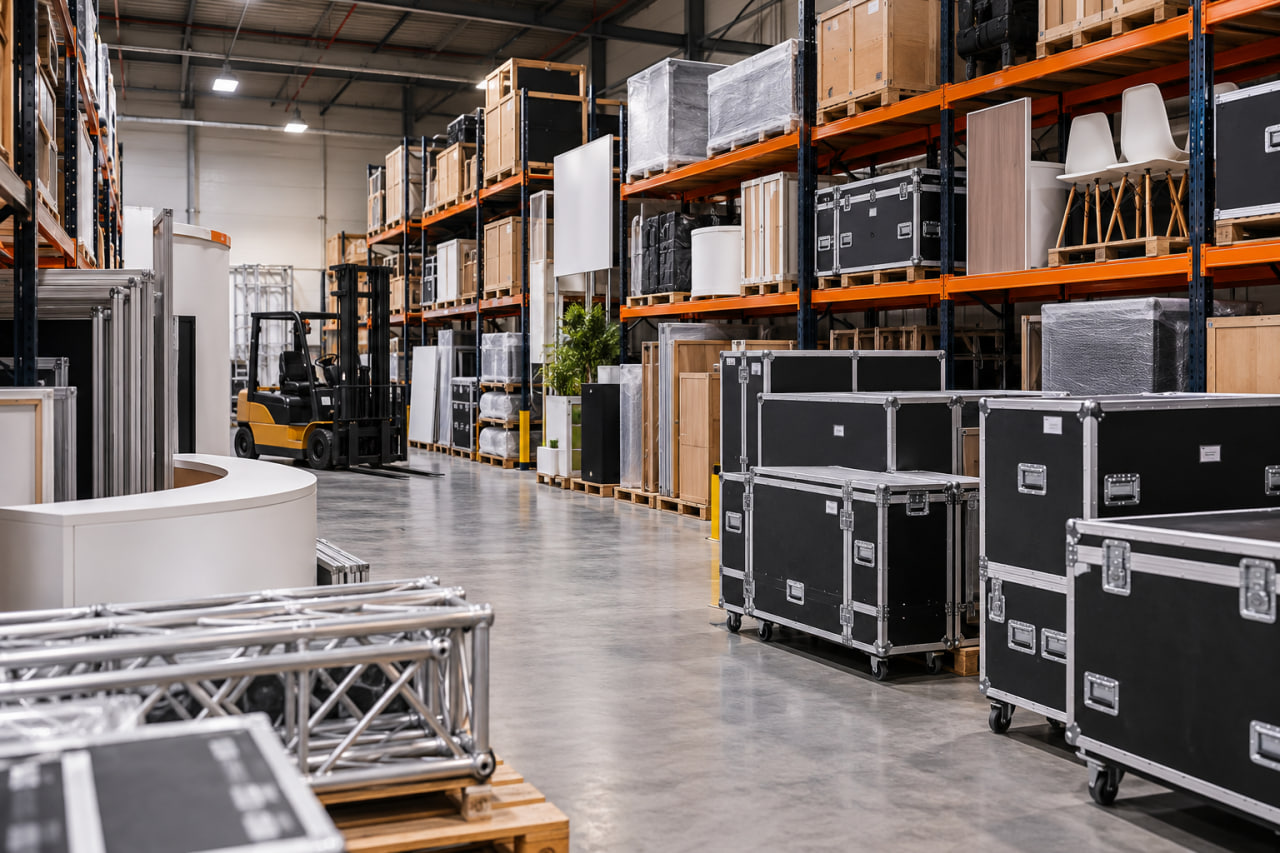
Stands, graphics and AV equipment spend more time in storage than on the show floor. Here is how event companies in Dubai store them safely and get them out fast.
 Freelancing Legally in the UAE: Licenses, Costs, and What Actually Works in 2026
The UAE has built a genuine reputation as one of the best places in the world to freelance, and the numbers back it up. By 2025, the UAE had risen to second place in the global ranking of countries for freelancers and digital nomads, with most of those professionals based in Dubai.
 The UAE Has Lowered the Age of Adulthood to 18: What It Means in Practice
For most of the world, eighteen is the age at which a person becomes a legal adult.
 Cross-border E-commerce: How UAE Businesses Thrive with Payoneer
Having the right payment infrastructure in place makes a big difference. With Payoneer cross-border payments, UAE businesses finally have a digital payment solution to help them operate across borders.
Having the right payment infrastructure in place makes a big difference. With Payoneer cross-border payments, UAE businesses finally have a digital payment solution to help them operate across borders.
If you’re planning to build or scale a company in Dubai, working with a notary will become a routine part of your legal and administrative process.
Modern agriculture often feels caught between two worlds: ancestral knowledge passed through generations and digital systems built in laboratories and data centers. Yet these worlds are not opposites.