
The UAE’s National Immunization Program: What Parents Need to Know
One of the more reassuring things about raising children in the UAE is how seriously the country takes childhood vaccination. Both government and private medical facilities strictly follow the National Immunization Schedule established by the Ministry of Health and Prevention, aligned with World Health Organization recommendations. Whether your child receives care at a government health centre in Abu Dhabi or a private clinic in Dubai, the schedule they follow is the same one, built on the same evidence base.
For parents new to the country, particularly those arriving from places with different vaccination calendars, understanding how the UAE program works removes one of the more confusing administrative tasks of early parenthood.
The Program Is Mandatory and Free
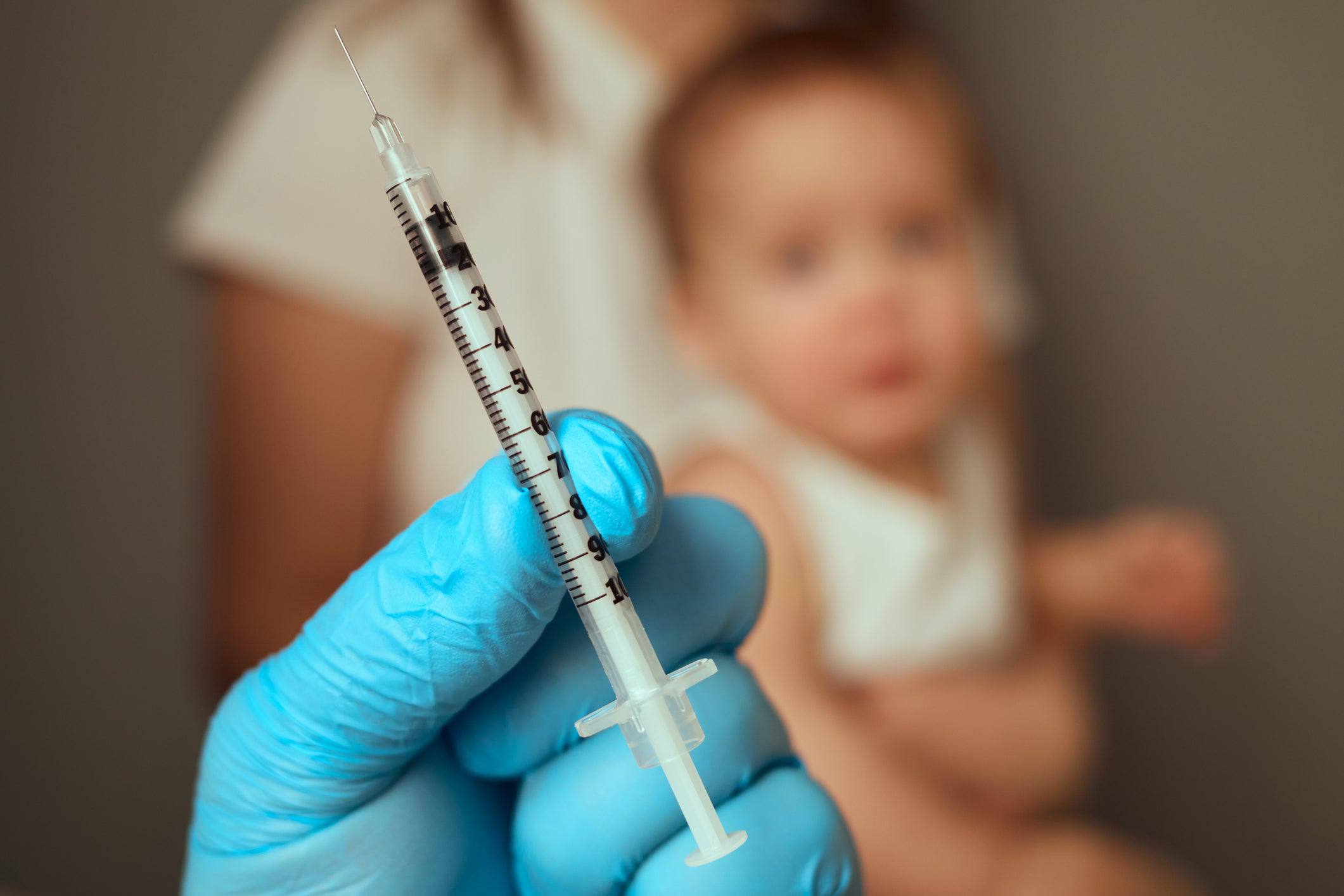
In the UAE, childhood vaccination is mandatory under the National Immunization Program and is provided free at all government health centres. Private clinics follow the same schedule set by the Ministry of Health and Prevention. Vaccination service and the accompanying medical consultation are provided free of charge for children under the age of five, and no health insurance is required to access the service.
This matters considerably for newly arrived expat families still navigating UAE healthcare and insurance for the first time. A newborn does not need a finalised insurance policy or even, in many cases, an issued health card before receiving their first scheduled vaccines. The system is built to remove friction at exactly the point where new parents have the least capacity to deal with bureaucracy.
What the Schedule Actually Covers, Month by Month
The UAE schedule begins immediately after birth and continues in stages through adolescence.
Hepatitis B is given within twenty-four hours of birth specifically to prevent mother-to-child transmission, since the disease can lead to chronic liver disease and liver cancer if acquired early in life. The BCG vaccine is also given shortly after birth.
At two, four, and six months, infants receive a cluster of combination vaccines designed to minimise the number of individual injections. The hexavalent six-in-one combination vaccine protects against six diseases in a single injection. This is typically delivered as part of a hexavalent or pentavalent combination covering diphtheria, tetanus, pertussis, hepatitis B, inactivated poliovirus, and Haemophilus influenzae type B, with doses at two, four, six, and eighteen months, and again at five to six years.
The pneumococcal vaccine, PCV13, protects against thirteen strains of bacteria that cause pneumonia, meningitis, and ear infections, and is given alongside the other early infant doses. Based on UAE vaccination results and coverage data, the program was updated to reduce the number of pneumococcal doses from four to three, reflecting how the schedule is periodically refined as local data accumulates.
The rotavirus vaccine is given orally, as drops rather than an injection, and prevents severe diarrhoea and vomiting caused by rotavirus — the leading cause of severe gastroenteritis in young children. In government healthcare facilities, the single-dose RV1 product is used, while the private sector may use the three-dose RV5 pentavalent rotavirus vaccine instead, given at two, four, and six months. It is recommended to complete the series with the same product, though vaccination should not be deferred if the original product is unavailable.
Measles, mumps, and rubella protection comes as the MMR vaccine, with the first dose not given before one year of age and a total of two doses recommended at least four weeks apart.
Beyond Infancy: School-Age and Adolescent Vaccines
The program does not stop once the early infant series is complete. Students who have previously received the MCV4 meningococcal vaccine are eligible for a second dose if it has been five years or more since the first. A meningitis vaccine has also been added specifically to the eleventh-grade school vaccination schedule.
HPV4 vaccination is provided for grade eleven female students as part of a catch-up schedule. School vaccination compliance is taken seriously enough that students without documentation of the required two doses are flagged for the schedule to be initiated or completed, which is worth knowing for families enrolling children at UAE schools after relocating from abroad — incomplete records can hold up enrolment paperwork if not sorted out early.
Annual influenza vaccination is recommended for all children over six months, particularly those with asthma or other underlying conditions, with Dubai’s flu season running from November to March. A meningococcal B vaccine covering a strain not included in the standard MCV4 shot is also available, though it is offered through private clinics rather than the standard government schedule.
If Your Child Arrives With an Incomplete or Foreign Record
This is one of the most common practical concerns for relocating families, and the reassurance here is genuine. Most vaccines can be administered on a catch-up schedule, and partial vaccination is always better than none. Parents are advised to bring whatever records they have to their next appointment, and the paediatrician will build a catch-up plan from there.
Children moving between countries generally continue on the same schedule based on chronological age rather than a corrected age, though some slight modifications may be made depending on individual circumstances and the paediatrician’s judgement. There is no need to restart an entire vaccination history from scratch simply because the documentation looks different from what a UAE clinic typically sees.
Everything Is Tracked Electronically
One detail that surprises many newcomers is how thoroughly digitised the UAE’s vaccination record-keeping has become. All vaccines administered in the UAE are recorded in the child’s electronic health card, and doctors can access this information through the NABIDH system, ensuring accurate tracking and compliance with the schedule. Electronic records can be retrieved through the relevant health information system — NABIDH in Dubai, or Malaffi in Abu Dhabi — even if the family changes clinics or relocates within the country.
This matters in very practical ways. School enrolment, certain visa processes, and travel requirements all sometimes call for proof of vaccination history, and having it centrally recorded rather than scattered across paper booklets from different countries genuinely simplifies things. Families are still advised to keep their child’s physical vaccination card or booklet safe as a backup, but the digital record functions as the authoritative source in practice.
Booking and Where to Go
As part of the National Immunization Program, children’s vaccines are available free of charge at all Dubai Health ambulatory health centres, and appointments can be scheduled through the website, the Smart App, or by calling the customer experience line. Abu Dhabi residents have equivalent access through Emirates Health Services centres and major private paediatric providers across the emirate.
For families who prefer private paediatric care while staying within the national schedule, the overwhelming majority of private clinics across the UAE explicitly follow MOHAP’s guidelines rather than an alternative international schedule, which removes any concern about choosing private care at the cost of falling out of step with national requirements.
Why This Matters Beyond the Individual Child
Vaccines protect not only the child receiving them but also others who cannot be vaccinated — newborns too young for certain vaccines, people with weakened immune systems, and those unable to receive vaccines for medical reasons. When enough people are vaccinated, diseases cannot spread easily, which protects everyone in the community.
For a country with as international and densely populated an urban environment as the UAE, where families and travellers from dozens of countries interact constantly, that collective protection carries particular weight. The National Immunization Program’s combination of being mandatory, free, digitally tracked, and consistently applied across both government and private healthcare is one of the less visible but genuinely significant pieces of public health infrastructure that makes raising children here as safe as it is.
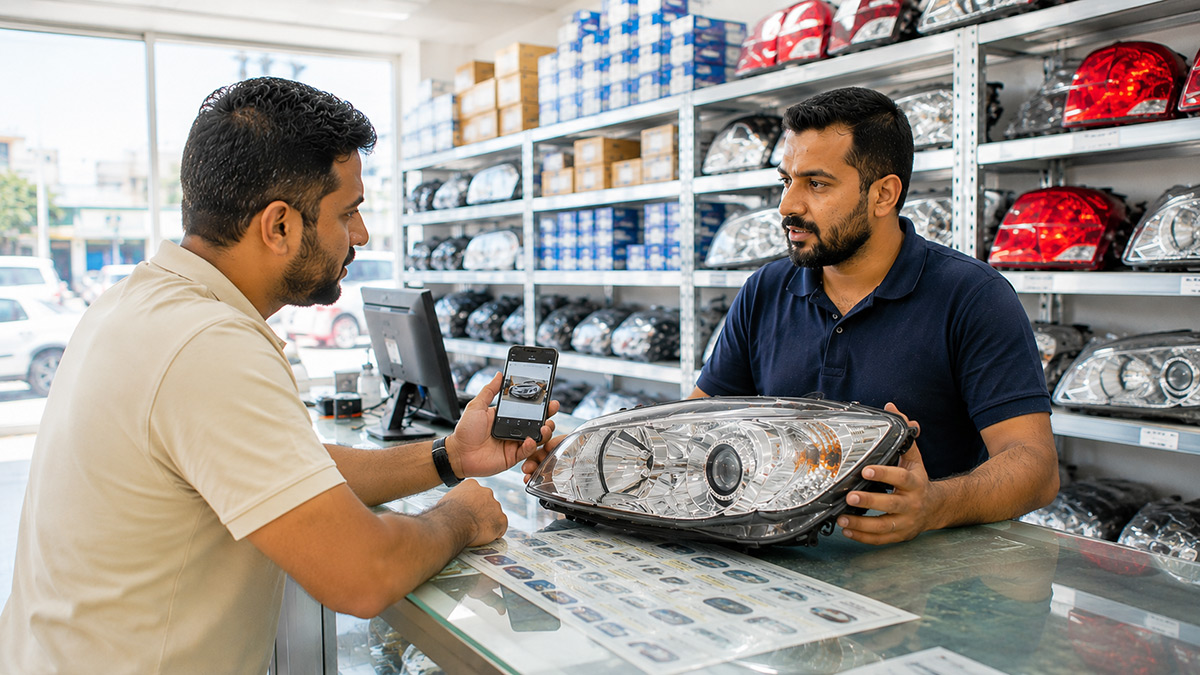
Finding a spare part for a car in the UAE can be surprisingly quick when you know what information to provide.
 Launching an Online Store in the UAE: Licensing and the Logistics That Make or Break It
The UAE e-commerce market has reached a scale that makes it impossible to ignore. The market was valued at USD 8.8 billion in 2024 and is expected to exceed USD 13.8 billion by 2029.
 Freelancing Legally in the UAE: Licenses, Costs, and What Actually Works in 2026
The UAE has built a genuine reputation as one of the best places in the world to freelance, and the numbers back it up. By 2025, the UAE had risen to second place in the global ranking of countries for freelancers and digital nomads, with most of those professionals based in Dubai.
 Arabic for Everyday Life in the UAE: 50 Phrases That Actually Come in Handy
Most expats in the UAE never learn Arabic. English gets you through almost everything in Dubai and Abu Dhabi, and the sheer diversity of the population means that on any given day you might interact with people from twenty different countries without a single Arabic word being exchanged.
Most expats in the UAE never learn Arabic. English gets you through almost everything in Dubai and Abu Dhabi, and the sheer diversity of the population means that on any given day you might interact with people from twenty different countries without a single Arabic word being exchanged.
Planning to move to Dubai? Here’s a realistic breakdown of the cost of living in Dubai in 2026 — rent by area, school fees, utilities, transport, and health insurance, with actual AED figures.
For most of the world, eighteen is the age at which a person becomes a legal adult.