

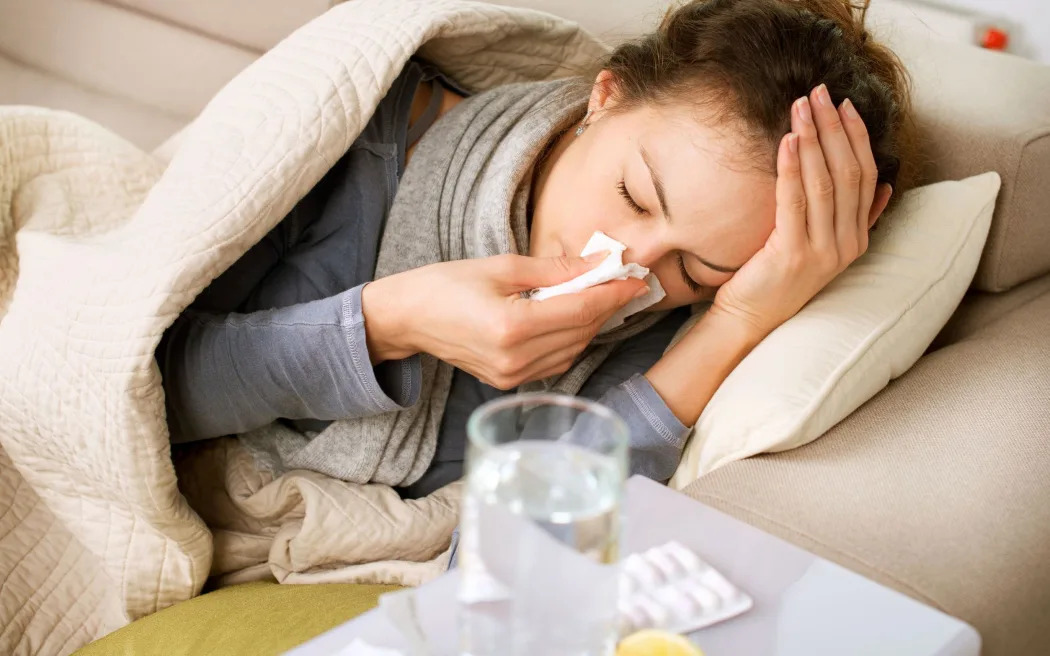
Why People Get Sick More Often During Winter in the UAE
Winter in the United Arab Emirates may not resemble the freezing temperatures experienced elsewhere, but it still brings noticeable changes in weather that affect health. The colder months, typically from November to March, are marked by cooler temperatures, stronger winds, and higher humidity in certain areas. These shifts create conditions that make it easier for common illnesses to spread and for people to catch colds, flu, and other infections.
Colder Months and Health Challenges
Even though daytime temperatures often remain mild, nights can drop significantly, especially in desert areas like Dubai outskirts or Al Ain. This sudden drop in temperature can weaken the immune system and make the body more susceptible to viruses. Many residents underestimate how chilly winter nights can get, leaving them underdressed or exposed to cold winds, which often triggers coughs, sore throats, and seasonal flu.
Winds during the winter months also carry dust and sand from the surrounding desert into urban areas. These particles irritate the respiratory system and make it easier for airborne viruses and bacteria to cause infections. For people with asthma or allergies, winter wind can exacerbate symptoms and increase vulnerability to respiratory illnesses.
Tourists and Exposure to New Germs
The UAE is a global hub, attracting tourists from all over the world, especially during the cooler months. These visitors bring with them germs and viruses that local residents may not have immunity against. Crowded places such as malls, airports, markets, and public transport become hotspots for the transmission of colds, flu, and stomach viruses.
Hospitals and clinics often report an increase in cases during the winter season, not just from local residents but also from tourists who fall sick while visiting. The mingling of populations from different regions, each carrying different pathogens, makes the winter months particularly high-risk for infectious diseases.
Indoor Crowding and Air Conditioning
Interestingly, while the temperature is cooler outside, indoor spaces in the UAE are often still heavily air-conditioned, creating environments with fluctuating temperatures. People moving between cold indoor spaces and slightly warmer outdoor conditions experience stress on the immune system. Close contact in indoor spaces, such as offices, cafes, or schools, allows germs to spread more easily.
Air-conditioned environments also tend to have low humidity, which dries out nasal passages. This makes it easier for viruses to enter and infect the body. Many people underestimate the role of indoor climate in increasing winter illnesses, assuming that the mild outdoor temperatures alone determine risk.
How to Reduce Winter Illness Risk
To stay healthy during the UAE winter, it helps to take simple precautions:
- Dress in layers to protect against cooler nights and strong winds.
- Wash hands frequently, especially after visiting crowded areas.
- Avoid touching your face in public spaces.
- Maintain a healthy diet and hydration to support the immune system.
- Use a scarf or mask in dusty or windy conditions to reduce inhalation of irritants.
- Get vaccinated for flu and other seasonal illnesses if possible.
Final Thoughts
Even mild winters in the UAE can bring an uptick in illnesses. Cooler nights, strong winds, and the influx of international visitors expose residents to a variety of germs, while indoor environments with fluctuating temperatures further challenge the immune system. Awareness, simple precautions, and sensible clothing choices can greatly reduce the likelihood of getting sick during the winter months.
Staying mindful of these seasonal factors makes winter in the UAE much more comfortable and healthier, even for those who are usually hardy in warmer climates.

Stands, graphics and AV equipment spend more time in storage than on the show floor. Here is how event companies in Dubai store them safely and get them out fast.
 The UAE’s National Immunization Program: What Parents Need to Know
One of the more reassuring things about raising children in the UAE is how seriously the country takes childhood vaccination.
 Launching an Online Store in the UAE: Licensing and the Logistics That Make or Break It
The UAE e-commerce market has reached a scale that makes it impossible to ignore. The market was valued at USD 8.8 billion in 2024 and is expected to exceed USD 13.8 billion by 2029.
 Freelancing Legally in the UAE: Licenses, Costs, and What Actually Works in 2026
The UAE has built a genuine reputation as one of the best places in the world to freelance, and the numbers back it up. By 2025, the UAE had risen to second place in the global ranking of countries for freelancers and digital nomads, with most of those professionals based in Dubai.
The UAE has built a genuine reputation as one of the best places in the world to freelance, and the numbers back it up. By 2025, the UAE had risen to second place in the global ranking of countries for freelancers and digital nomads, with most of those professionals based in Dubai.
Most expats in the UAE never learn Arabic. English gets you through almost everything in Dubai and Abu Dhabi, and the sheer diversity of the population means that on any given day you might interact with people from twenty different countries without a single Arabic word being exchanged.
Planning to move to Dubai? Here’s a realistic breakdown of the cost of living in Dubai in 2026 — rent by area, school fees, utilities, transport, and health insurance, with actual AED figures.